
Preparing Your Vehicle for Winter: A Complete Checklist
When the first snowflakes start to fall in Saskatchewan, most drivers know it’s time to bundle up, drive carefully, and prepare for another long winter on the Prairies. Preparing your vehicle for winter is essential, and a complete checklist can help ensure your car is ready to handle freezing temperatures, icy roads, and heavy snow. But what many forget is that your vehicle also needs special preparation to handle freezing temperatures, icy roads, and heavy snow.
At Faizan’s Defensive Driving School, we teach more than just how to drive — we teach how to stay safe year-round. And in Saskatchewan, that means getting your vehicle winter-ready before the real cold hits.
In this post, we’ve created a complete winter vehicle preparation checklist — covering everything from tires and fluids to emergency supplies — so you can drive confidently no matter what Mother Nature throws your way.
❄️ Why Winter Preparation Matters in Saskatchewan
Saskatchewan winters are no joke. Temperatures often dip below –30°C, and conditions can change from sunny to snowstorm in minutes.
Poorly maintained vehicles are more likely to break down, slide off the road, or fail to start during extreme cold — especially if basic winter maintenance is skipped.
Taking the time to winterize your vehicle can:
- Prevent mechanical issues caused by freezing weather
- Improve your vehicle’s traction and braking on ice or snow
- Keep you safe and comfortable during winter driving
- Reduce the risk of accidents and costly repairs
In other words, a few hours of preparation can save you hours stranded on the side of the road — or worse.
🧰 Your Complete Winter Vehicle Preparation Checklist
Here’s everything you need to inspect, replace, or adjust before the snow starts to fall.
🚘 1. Install Proper Winter Tires
If you do one thing to prepare for winter driving, make it this: install winter tires.
Unlike all-season tires, winter tires are designed with:
- Softer rubber compounds that stay flexible in cold weather
- Deeper tread patterns to grip snow and slush
- Specialized sipes (tiny grooves) that improve traction on ice
Even on clear pavement, winter tires perform better in temperatures below +7°C — which means you should install them in late October or early November.
Pro tip:
- Check the mountain snowflake symbol on the tire — it certifies that it meets winter performance standards.
- Make sure tire pressure is at the manufacturer’s recommended level (it drops as temperatures fall).
🔋 2. Test Your Battery and Electrical System
Cold weather is tough on batteries. A weak battery that starts fine in summer might fail the first time temperatures dip below –20°C.
Before winter:
- Have your battery tested by a mechanic or at a service station.
- Replace it if it’s more than 4–5 years old or showing signs of weakness.
- Clean corrosion from the terminals and ensure cables are tightly secured.
It’s also smart to check your alternator and starter system — because even a new battery won’t help if the charging system isn’t working properly.
💧 3. Check and Replace Fluids
Fluids are your vehicle’s lifeblood — and in winter, they need extra attention.
Here’s what to check:
- Antifreeze/Coolant: Make sure it’s filled to the proper level and the mixture protects against –40°C.
- Oil: Use winter-grade oil if your owner’s manual recommends it. Cold-weather oil flows better and reduces engine wear during cold starts.
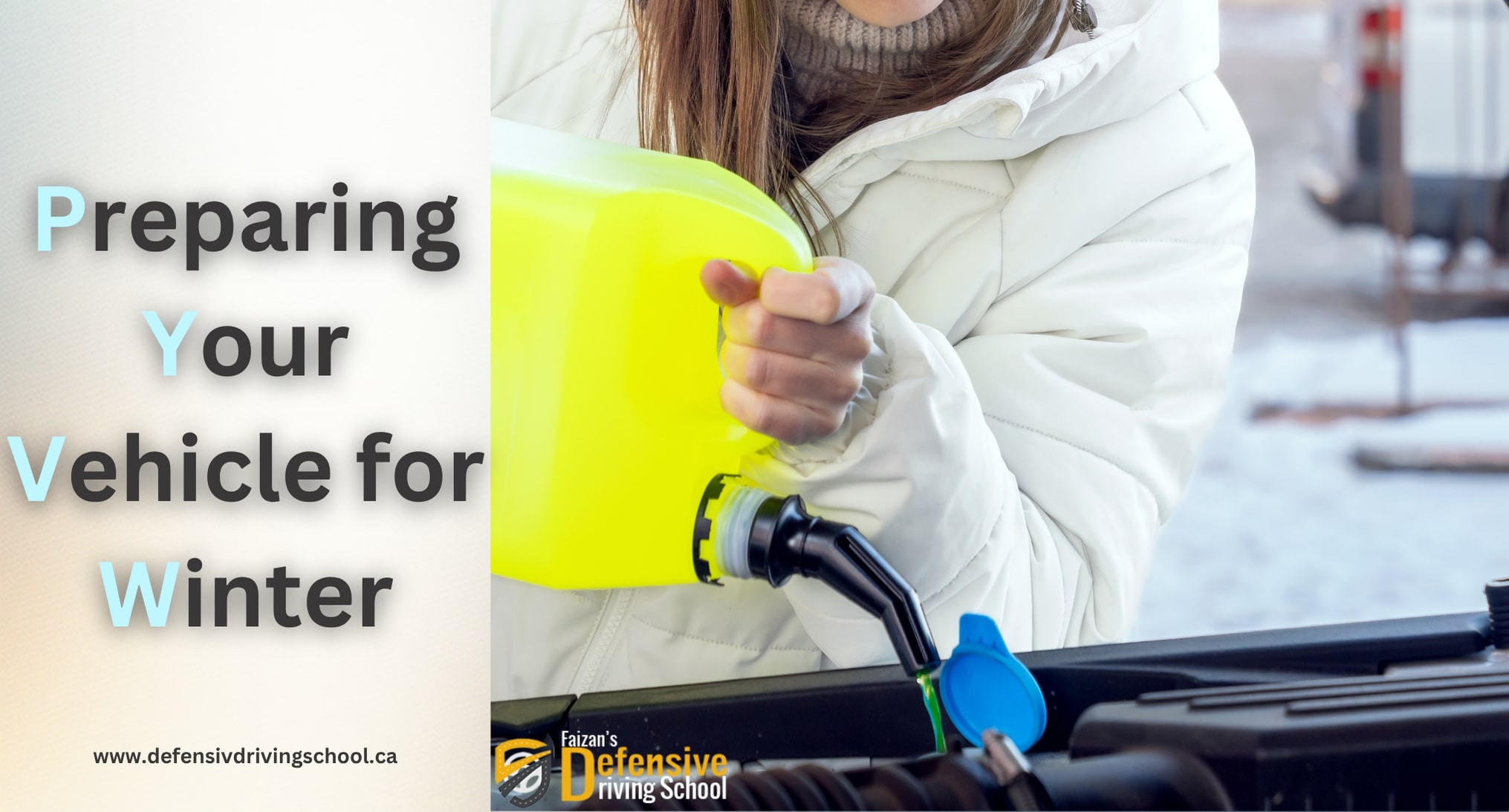
- Windshield Washer Fluid: Use a winter formula rated for –40°C to prevent freezing.
- Brake Fluid and Transmission Fluid: Check levels and condition — they should be clean and at proper fill marks.
Bonus tip: Always keep an extra bottle of washer fluid in your trunk. Saskatchewan roads can get messy fast, and a dirty windshield is dangerous in low visibility.
🔦 4. Inspect Lights and Wipers
Winter days are shorter and darker — and blowing snow or fog can reduce visibility dramatically.
Check that all exterior lights work properly, including:
- Headlights
- Tail lights
- Brake lights
- Turn signals
- Hazard flashers
If your lights look dim or yellowed, consider replacing bulbs or cleaning the lenses.
For windshield wipers, replace them with winter wiper blades — they’re built with a stronger frame and rubber designed to resist ice buildup.
Make sure your defrosters (front and rear) are also working well.
🧊 5. Check Brakes and Traction Systems
Snow, slush, and ice demand reliable braking and traction.
Have a professional inspect your:
- Brake pads, rotors, and fluid levels
- ABS (Anti-lock Braking System)
- Traction control and stability control systems
If you notice squeaking, grinding, or pulsing when braking, get it checked right away. These systems are your best defense against winter road hazards.
🪫 6. Keep Your Fuel Tank Half Full
This simple habit can save you a lot of trouble in winter.
A half-full (or more) tank:
- Prevents fuel lines from freezing
- Provides extra weight for better traction
- Ensures you have enough gas in case you get stuck or delayed
In rural Saskatchewan, where gas stations can be far apart, keeping extra fuel can make all the difference.
🧥 7. Pack a Winter Emergency Kit
Even with the best preparation, unexpected situations happen — snowstorms, breakdowns, or icy ditches.
That’s why every driver should keep a winter emergency kit in their vehicle.
Your kit should include:
- Warm blankets, gloves, and hats
- Flashlight (with extra batteries)
- Booster cables
- First aid kit
- Shovel and traction aid (like sand, salt, or kitty litter)
- Ice scraper and snow brush
- Tow rope or chain
- High-energy snacks and bottled water
- Emergency flares or reflective triangles
- Cell phone charger or power bank
If you often drive outside the city, consider adding:
- A small candle in a metal can for heat
- Extra windshield washer fluid
- Hand warmers and plastic rain poncho
A little preparation can turn a dangerous situation into a manageable one.
🔧 8. Lubricate Locks, Hinges, and Seals
When temperatures drop below freezing, locks and door seals can freeze shut.
Prevent this by applying silicone spray or graphite lubricant to:
- Door locks
- Trunk locks
- Window tracks and rubber seals
This helps prevent moisture from freezing your doors shut — a frustrating (and common) issue in Saskatchewan winters.
🧊 9. Check the Heating and Defrosting Systems
You rely on your heater and defrosters to keep you warm and maintain clear visibility.
If your heater isn’t blowing hot air or your windshield fogs up quickly, get it inspected before winter sets in.
A working defroster isn’t just about comfort — it’s essential for safe driving visibility.
🧯 10. Inspect Belts and Hoses
Cold temperatures can cause rubber belts and hoses to crack or become brittle.
Have them checked for:
- Cracks or fraying
- Bulges or leaks
- Soft spots
Replacing worn parts early can prevent sudden breakdowns on frigid days.
🧠 Bonus Tips for Winter Readiness
- Keep a small snow brush and scraper inside the car (not in the trunk) in case the doors freeze shut.
- Use floor mats to trap melting snow and salt — they protect your vehicle’s interior.
- Warm up your car safely. Idling too long wastes fuel and can harm your engine. Instead, drive gently after 30 seconds to a minute.
- Clear all snow from your vehicle, including the roof and headlights — flying snow can endanger others on the road.
🏫 Learn Winter Driving the Smart Way
Even the best-prepared vehicle can’t protect you from poor driving decisions in winter.
That’s why Faizan’s Defensive Driving School offers winter driving lessons in Saskatchewan that teach you how to:
- Control skids and recover safely
- Adjust braking and steering for icy roads
- Anticipate black ice and low-traction conditions
- Build confidence behind the wheel in snow and wind
Our certified instructors provide personalized guidance so you can stay calm and in control — no matter how slippery the roads get.
✅ Final Thoughts
Winter in Saskatchewan demands respect, preparation, and patience — from both drivers and their vehicles.
By following this complete checklist, you’ll not only reduce your chances of breakdowns and accidents but also ensure your drives are safer and more comfortable all season long.
Remember, a well-prepared vehicle + a confident driver = safe winter driving.
If you’d like to learn more about winter driving techniques or book a professional lesson, contact Faizan’s Defensive Driving School today — and get ready to drive through Saskatchewan’s winter with confidence and peace of mind.