
Highway Driving in Saskatchewan: A Guide for Safer Journeys
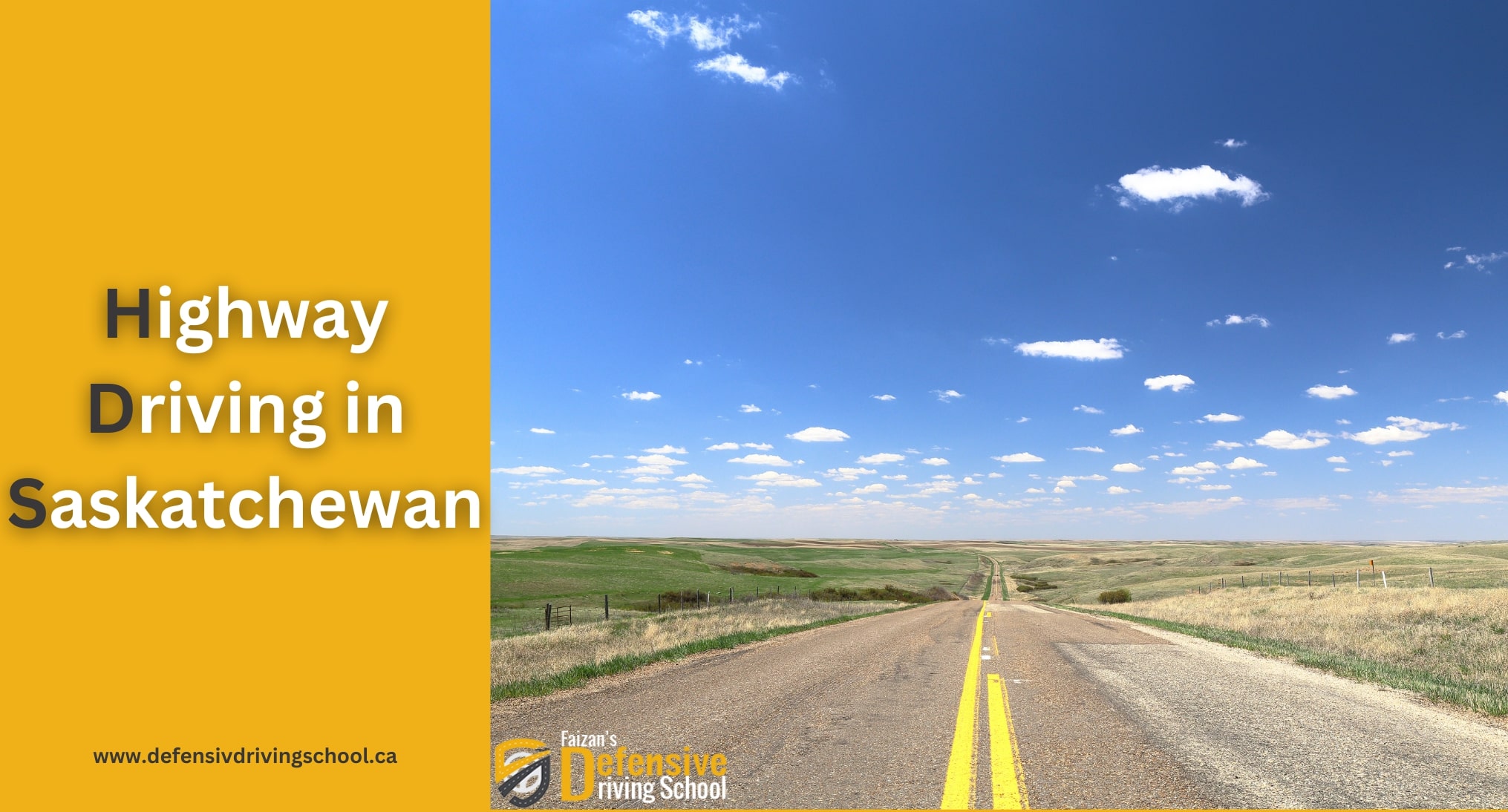
Driving on Saskatchewan’s highways can feel like a mix of excitement and responsibility. To enhance your journey, consider “Highway Driving in Saskatchewan: A Guide for Safer Journeys,” which highlights important safety tips. With wide-open skies, long stretches of road, and fewer cars than in big cities, it might seem simple—but highway driving comes with its own set of challenges. Whether you’re a new driver preparing for your road test or someone looking to sharpen your skills, learning the right techniques will help you feel more confident and stay safe.
At Faizan’s Defensive Driving School, we know that highway driving is about more than just getting from point A to point B—it’s about learning to enjoy the drive while respecting the rules of the road.
Why Highway Driving Feels Different in Saskatchewan
Unlike city driving, where you deal with traffic lights and pedestrians, highway driving requires focus at higher speeds. Saskatchewan’s highways are often long and straight, but the weather, wildlife, and big trucks can make things unpredictable. That’s why developing strong highway driving habits is so important.
Practical Tips for Highway Driving in Saskatchewan
1. Watch Your Speed
Most Saskatchewan highways have limits between 90 and 110 km/h. It’s tempting to go faster on long, empty stretches, but speed limits are set for a reason. Always adjust for weather and road conditions—slowing down on icy or windy days could save your life.
- On most provincial highways and in urban areas, speed limit signs are posted. In the absence of signs, the speed limit is 80 km/h.
2. Keep a Safe Following Distance
At high speeds, you need more space to react. A good rule is the three-second rule—pick a landmark, and make sure at least three seconds pass before your car reaches it after the vehicle in front of you. In rain, snow, or fog, give yourself even more space.
3. Merge with Confidence
Merging can feel stressful, but it’s all about timing. Use the acceleration lane to match the speed of traffic, signal early, check your mirrors and blind spots, and then merge smoothly. Hesitation or merging too slowly can be dangerous.
4. Respect Large Vehicles
Saskatchewan highways often have plenty of semis and farm trucks. Remember, they need more space to stop and have big blind spots. Avoid lingering beside them, and when you pass, do so safely and confidently.
5. Stay Alert
Long drives can sometimes make you drowsy or distracted. Take regular breaks, especially if you’re going on a road trip. A quick stretch or snack can keep you focused and alert.
6. Prepare for Changing Conditions
Prairie weather is famous for its surprises. Always check the Saskatchewan highway hotline before heading out and keep an emergency kit in your car—things like water, a blanket, and a phone charger can be lifesavers.
7. Use the Left Lane Only for Passing
The left lane isn’t for cruising. Once you’ve passed a slower vehicle, return to the right lane so traffic keeps flowing smoothly.
- Did you know that it’s illegal to speed even when passing?
The Dangers of Driver Fatigue – Highway Driving in Saskatchewan: A Guide for Safer Journeys
Final Thoughts
Highway driving in Saskatchewan doesn’t have to be intimidating. With the right skills, you’ll not only stay safe but also learn to enjoy the freedom of the open road. At Faizan’s Defensive Driving School, our instructors are here to guide you through real-world highway situations so you feel calm and prepared—whether it’s for your road test or for your everyday travels.
👉 Ready to build confidence on the highway? Contact us today to book your driving lesson and take the next step toward becoming a safe, defensive driver.
Frequently Asked Questions About Highway Driving in Saskatchewan
1. What is the speed limit on Saskatchewan highways?
- Most Saskatchewan highways have speed limits between 90 and 110 km/h. (In the absence of signs, the speed limit is 80 km/h.) Always check posted signs, and remember to reduce your speed during poor weather or when roads are icy.
2. Is highway driving included in the SGI road test?
- Yes, depending on the test location, you may be asked to demonstrate highway driving. Examiners often look for safe merging, proper lane changes, and maintaining correct speed and following distance.
3. How do I safely pass a vehicle on the highway?
- Signal early, check your mirrors and blind spot, and use the left lane only when it’s safe to pass. Accelerate smoothly, complete the pass, and return to the right lane without cutting the other driver off.
4. How much following distance should I leave on the highway?
- Use the three-second rule in good conditions. In rain, snow, or fog, increase your following distance to give yourself more reaction time.
5. What should I do if I miss my highway exit?
- Never stop or back up on the highway. Simply continue to the next exit and safely re-route.
6. How can I stay alert on long highway trips?
- Take breaks every couple of hours, share driving if possible, and avoid distractions like your phone. If you feel drowsy, pull over somewhere safe to rest.
7. What should I keep in my car for highway driving in Saskatchewan?
- An emergency kit is essential. Include items like water, snacks, a blanket, a flashlight, a first-aid kit, and a phone charger. In winter, add a shovel and extra warm clothing, a tow chain or rope.