
Driving on Gravel Roads in Saskatchewan: What Every Driver Should Know
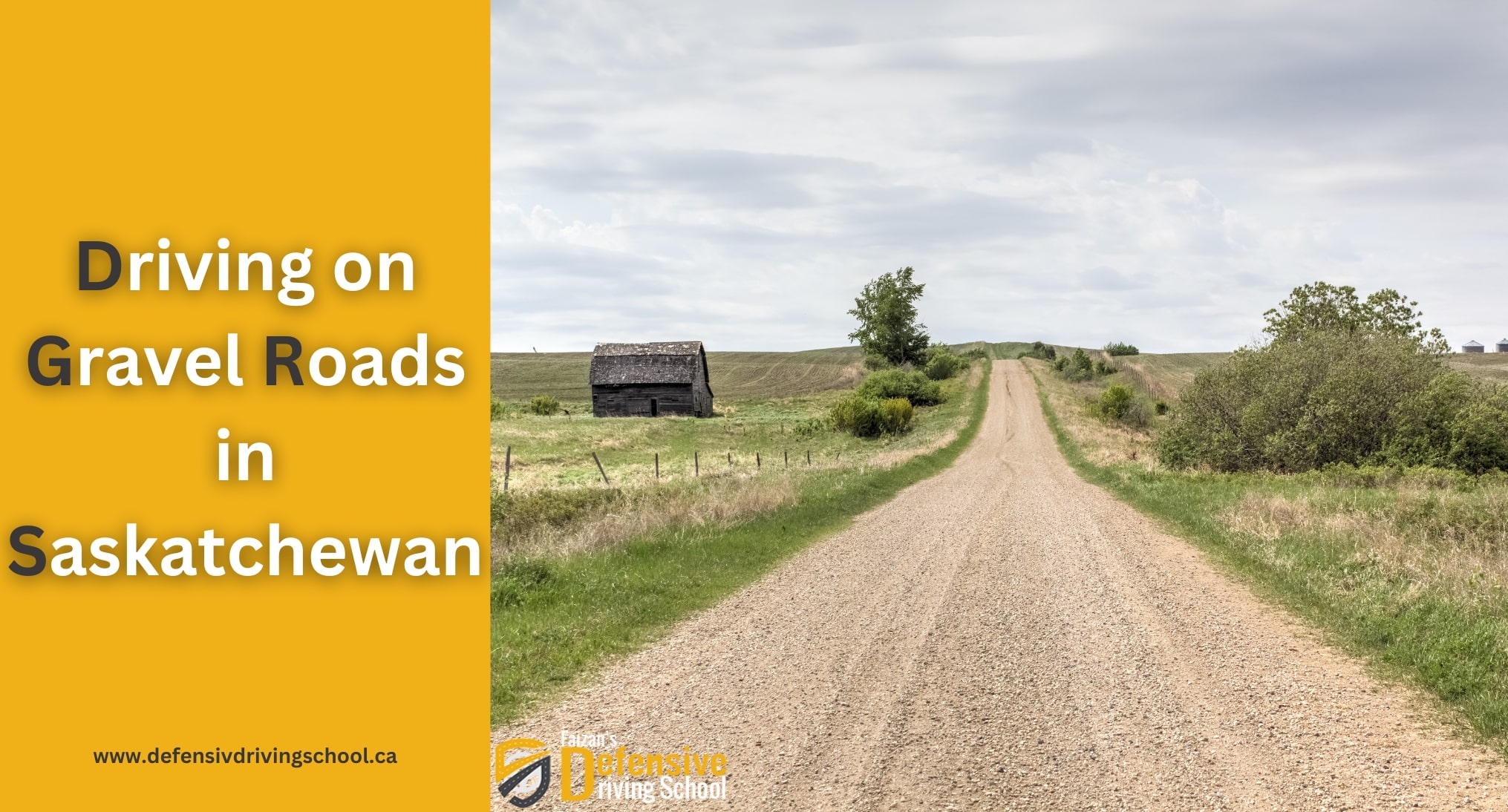
Driving in Saskatchewan offers some of the most scenic views — endless skies, golden fields, and open roads. But as many new drivers quickly discover, not every road is paved. When driving on gravel roads in Saskatchewan, it’s important to be cautious and prepared, as the province has hundreds of kilometres of gravel roads, especially in rural areas.
For new and experienced drivers alike, understanding how to handle these roads safely is a must. Here’s everything you need to know about gravel road driving in Saskatchewan, including key safety tips, vehicle control techniques, and why it’s part of your driving education.
🛣️ What Makes Gravel Roads Different?
Gravel roads look simple, but they can be tricky to navigate. Unlike paved roads, gravel surfaces can shift under your tires, making traction less predictable.
Some challenges you may encounter include:
- Loose gravel: Reduces tire grip and increases stopping distance.
- Dust clouds: Limit visibility for you and other drivers.
- Ruts and washboard surfaces: Cause bouncing and poor steering control.
- Soft shoulders: Can pull your vehicle off the road if you’re not careful.
In Saskatchewan’s rural regions, these roads are common — meaning knowing how to drive on them confidently is an essential skill for every driver.
🧠 Tips for Safe Driving on Gravel Roads
Here are a few simple but important tips to help you stay safe while driving on gravel:
1. Slow Down
Speed is your biggest enemy on gravel. Slower speeds give your tires better traction and more time to react to loose surfaces or sudden changes in road conditions.
👉 Tip: Keep your speed under 80 km/h or even lower depending on the surface.
2. Increase Following Distance
Gravel roads kick up dust and rocks, which can obscure your view and damage windshields. Maintain at least five to six seconds of distance behind other vehicles.
3. Avoid Sudden Movements
Steering, braking, or accelerating too quickly can cause your vehicle to skid. Make all movements smooth and gradual.
4. Be Cautious on Hills and Curves
Approach hills and curves slowly. Gravel tends to shift under your tires, and visibility can be reduced.
5. Watch for Soft Shoulders
If your tires drop off the edge of the road, don’t panic or jerk the wheel. Ease off the accelerator, keep a firm grip on the steering wheel, and gently guide your car back onto the roadway.
6. Stay Alert for Other Road Users

Gravel roads are often shared with farm vehicles, wildlife, and cyclists. Stay alert and use your horn (if necessary) when approaching blind corners if visibility is limited.
🚘 Vehicle Control Tips
When practicing driving on gravel roads in Saskatchewan, your instructor may focus on these control techniques:
- Light grip on the steering wheel: Avoid overcorrecting when the vehicle slides slightly.
- Gentle acceleration and braking: Prevents skidding and loss of traction.
- Use lower gears on slopes: Helps maintain control when going downhill.
Learning these habits early can make you a safer, more confident driver on all road types.
Do’s & Don’ts of Gravel Road Driving
Learn essential safety habits for handling gravel roads in Saskatchewan — from smooth steering to smart speed control.
✅ Do’s
- Do slow down — reduce speed substantially on loose surfaces.
- Do increase following distance (5–6 seconds) to avoid flying gravel and dust.
- Do use smooth, gradual steering, acceleration, and braking to maintain traction.
- Do scan the road ahead for washboard, ruts, potholes, soft shoulders, and wildlife.
- Do signal early and give extra room when passing farm equipment or vehicles.
- Do keep tires properly inflated and check tread before long rural drives.
- Do practice low-speed vehicle control exercises with an instructor.
🚫 Don’ts
- Don’t brake or steer suddenly — avoid harsh inputs that cause skids.
- Don’t tailgate — rocks can chip windshields and dust reduces visibility.
- Don’t panic if you drift onto a soft shoulder — ease off the accelerator and steer gently back.
- Don’t overcorrect if the vehicle slides — make small, controlled corrections.
- Don’t assume visibility is the same as on paved roads — dust and blind curves hide hazards.
- Don’t ignore advisory speed signs on gravel sections.
📍 Why It Matters in Saskatchewan
Because of Saskatchewan’s vast rural landscape, gravel roads connect towns, farms, and highways. Even if you live in an urban area, chances are you’ll encounter gravel during road trips, farming routes, or seasonal detours.
By understanding how to drive safely on gravel, you’re not only protecting yourself — you’re protecting everyone who shares the road.
🏫 Learn Safe Gravel Road Driving with Faizan’s Defensive Driving School
At Faizan’s Defensive Driving School, we prepare new drivers for real Saskatchewan road conditions — from smooth highways to challenging gravel routes. Our certified instructors teach hands-on techniques to handle every type of surface safely and confidently.
Ready to master gravel road driving?
📞 Contact us today to book your driving lessons and gain the skills you need for any Saskatchewan road.