
The Most Common 10 Mistakes Made During a Road Test in Saskatchewan

Many people don’t know why they fail their road test in Saskatchewan. There could be many reasons, from minor to major, such as failing to make proper turns, speeding, failing to stop where required—you name it! Today, we will highlight the Most Common 10 Mistakes Made During a Road Test in Saskatchewan. Are you ready?
1. Traffic Signals
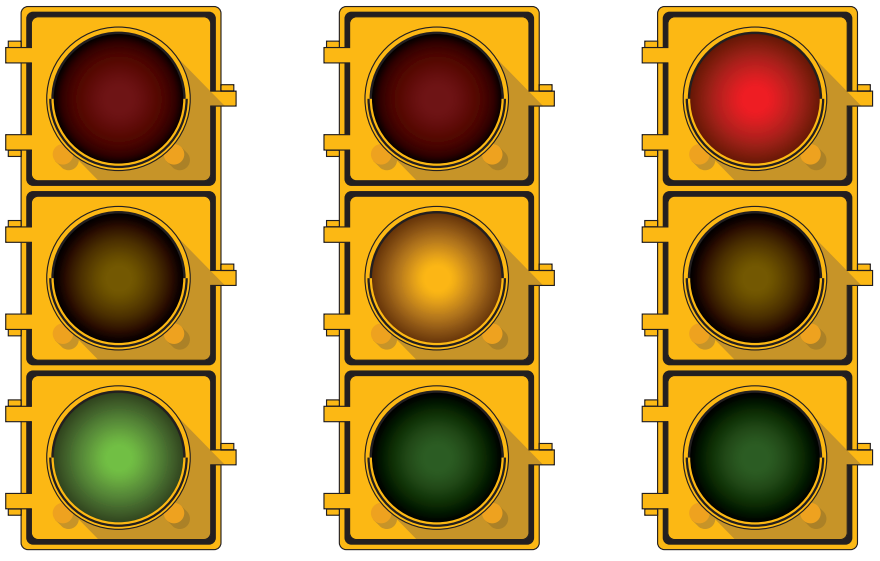
- A red light signals you to stop. When approaching a red light, you must stop and stay stopped until the light turns green. If you wish to turn right, you may proceed (unless a sign prohibits it). Still, you must stop first and yield to pedestrians and vehicles already moving through the intersection.
- A yellow light indicates caution. You must stop before reaching the crosswalk when approaching a yellow light at an intersection. If you have entered the intersection or cannot stop safely, continue with caution. A yellow light does not mean you should speed up to get through before it turns red. You can often anticipate a yellow light by paying attention to how long the light has been green and observing the Don’t Walk signal, particularly if it’s flashing or displaying a countdown.
- A green light means you can go. When you are approaching a green light at an intersection, you may turn left, right, or drive straight unless a sign indicates otherwise. If you are turning left, you can enter the intersection at a green light. Still, you must yield to oncoming vehicles and pedestrians. If traffic is heavy, you may need to finish your turn even if the light has changed to amber or red. Running yellow and red lights can complicate the ability of drivers already in the intersection to make left turns, potentially leading to traffic congestion. Consider how your choices impact other users of the road.
2. Stop signs and stopping positions
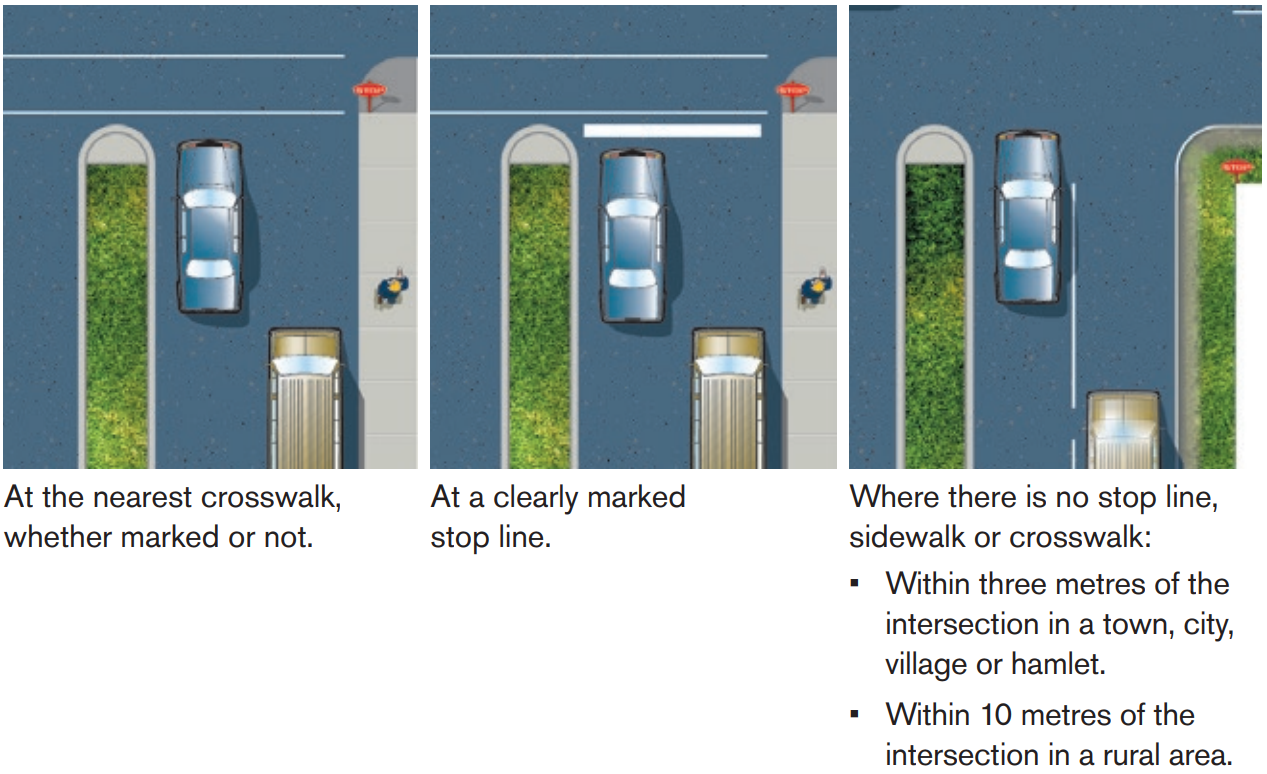
- Where should you come to a stop? At the stop sign? At the crosswalk? Occasionally, stop signs are placed on a tree or post that may not be convenient for stopping. Your stopping position should be determined by road markings—at the closest crosswalk, whether it is marked or not, or at an indicated stop line. Suppose there is no stop line, sidewalk, or crosswalk. In that case, you need to stop within 3 meters of the intersection in an urban area or within 10 meters in a rural area.
3. Giving Up the Right of Way
- If you know, you have the right of way—take it! You might think you’re being courteous by signaling another driver or pedestrian to go ahead, but this could confuse other road users and cause abrupt stops or swerves, endangering everyone
4. Right of Way
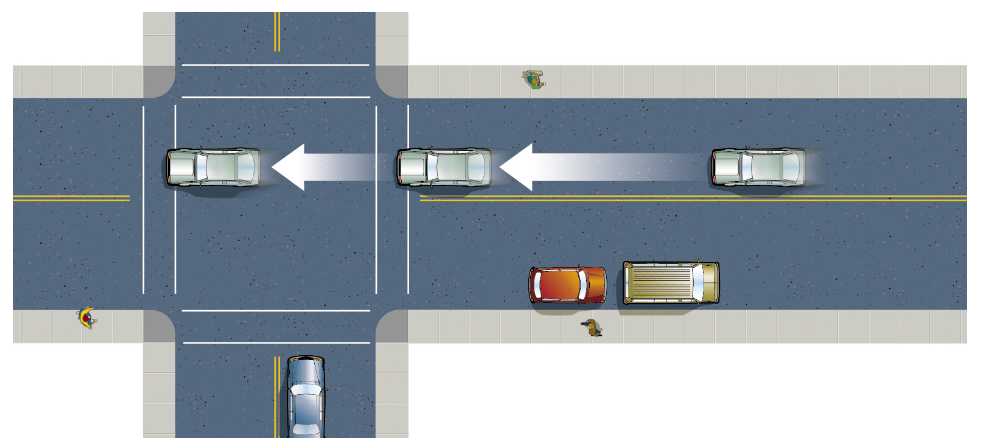
- If others have the right of way, be sure to yield!
- When approaching an uncontrolled intersection at the same time with another driver, the driver on your right has the right of way (this also applies to T-intersections).
- Suppose you and an oncoming vehicle reach the intersection approximately at the same time. In that case, the driver going straight has the right of way over the one turning left.
5. Pedestrians and Crosswalks
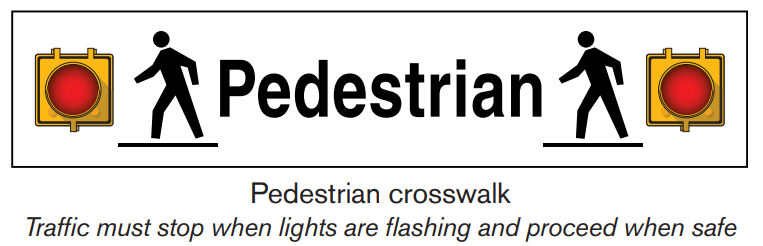
- You must stop for pedestrians crossing the street when you approach an intersection.
- Your vehicle must stop before the crosswalk, which may be marked on the roadway or considered a sidewalk extension.
- If the traffic light changes while a pedestrian is in the crosswalk, the pedestrian has the right of way.
6. Intersections (Controlled and Uncontrolled)
- Nearly 40% of accidents occur at intersections.
- When making a left turn at a green light, the first vehicle can enter the intersection and remain in the middle until it’s safe to complete the turn. However, avoid having multiple cars in the intersection to prevent a traffic jam when the light turns red.
- At three- and four-way stops, it’s first come, first served; vehicles should proceed in the order they arrive. It’s important to proceed when it’s safe, as waiting too long might confuse other drivers.
7. Right and Left Turns.
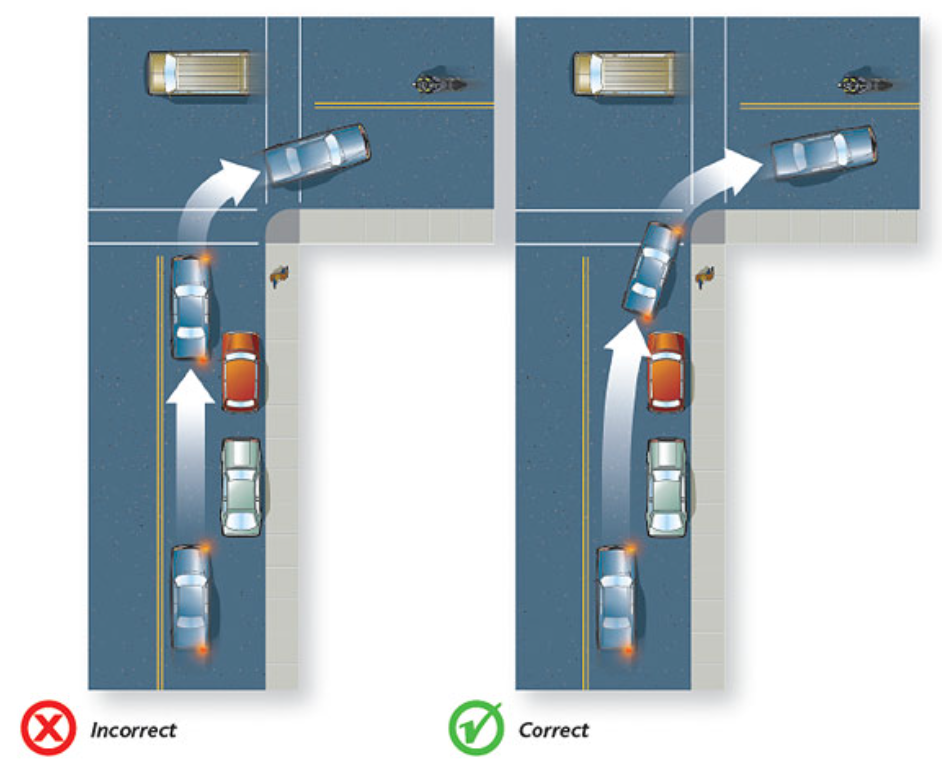
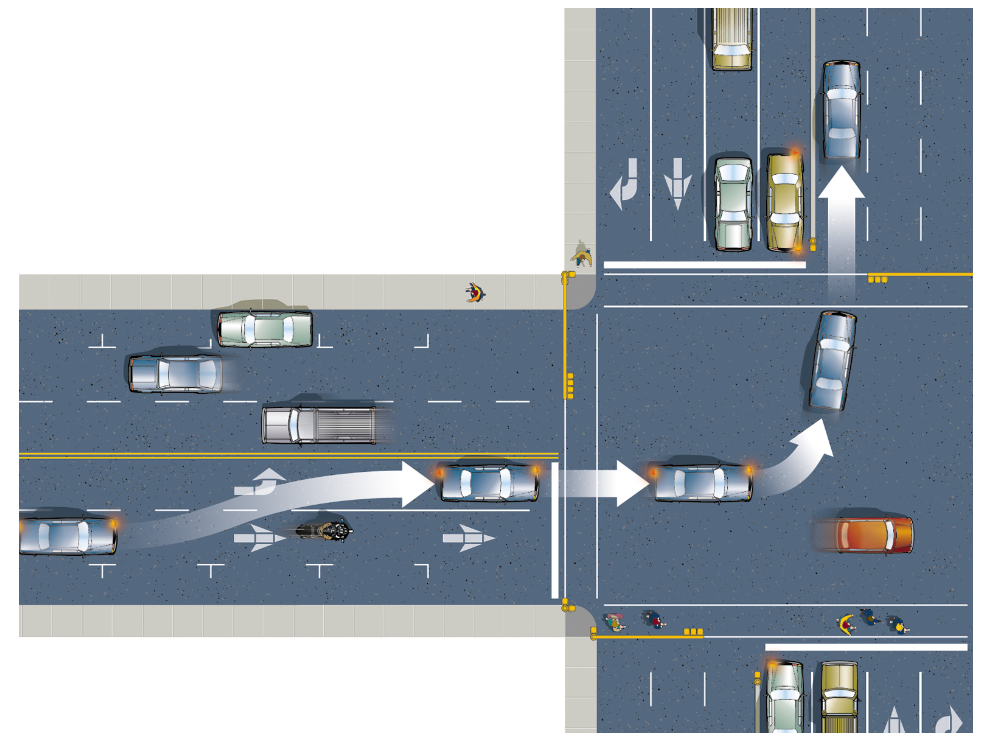
- For turns, be sure to exit and enter the correct lanes.
- Turn left from the leftmost lane for your direction and make right turns from the right curb lane or the right edge of the road.
- Since other drivers don’t have mind-reading abilities, always use your turn signals and watch for pedestrians and other vehicles.
8. Parallel parking
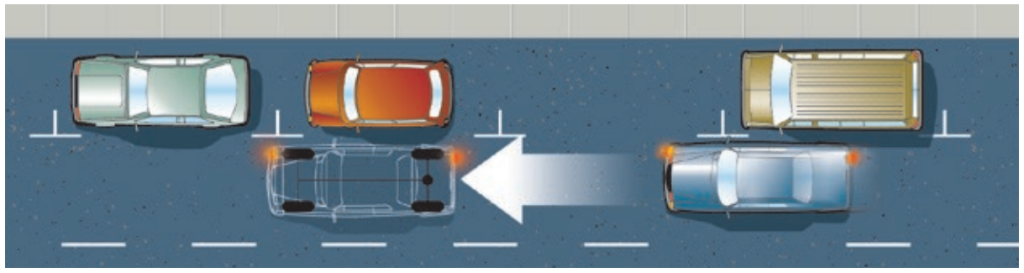
- Many wonder why parallel parking is part of the driving test—it effectively assesses your reversing abilities.
- The test shows how expert you are at backing up. Do you know how to turn your steering wheel while in reverse? Many inexperienced drivers do not. Always turn your head and look behind you; don’t just depend on your mirrors, and be aware of pedestrians and static objects.
9. Speed
- During your road test, you should stay within speed limits. When entering or leaving a neighborhood, be mindful of school zones, construction zones, or changes in speed limits. If there are many pedestrians around, reduce your speed.
- The speed limit indicates the maximum speed for ideal conditions; if it’s raining, snowing, or foggy, you will likely need to slow down to maintain visibility and vehicle control. Adjust your speed according to the existing conditions.
- Avoid driving too slowly, as this can obstruct or endanger traffic. Aim to move with the flow without exceeding speed limits.
10. Shoulder checks – to look for vehicles or obstructions in your blind spot.
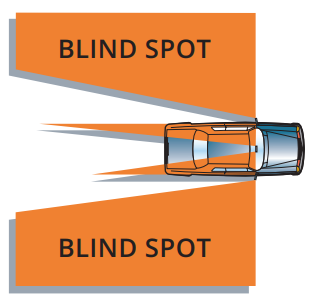
- Shoulder checks are required—shoulder check, shoulder check, shoulder check! Your mirrors cannot capture everything, so always turn your head to glance over your shoulder before changing lanes or turning to check for any hazards in your blind spots.
List of the Most Common 10 Mistakes Made During a Road Test in Saskatchewan:
You will automatically fail the road test if you:
- exceed the speed limit
- are involved in a collision for which you are 50% or more responsible
- fail to stop where required
- fail to yield to vehicles and pedestrians
- fail to wear a seatbelt
- disobey traffic lights
- fail to follow a request from the examiner
- require the assistance of the examiner
- commit a dangerous action (where the examiner had to intervene)
- make a combination of minor mistakes
Tip – Do not forget to watch the Road Test Misconception here!
At the end of the road test, an SGI examiner will give you a complete list of all errors explained. If you were unsuccessful, the report will indicate where improvement is required. Depending on how the examiner scored your test, you’ll get a paper copy of your results or email them. The emailed results include links to the online Driver’s Handbook to follow up on the areas you need to work on.
If you’re applying for a Class 5 licence and fail your road test, you must wait two weeks before being eligible for another road test. Additional training or SGI 6 & 6 Driver Training may be recommended, or a more extended learning period may be imposed.
If you have failed your road test and made one of the Common 10 Mistakes Made During a Road Test in Saskatchewan, please contact us so we can help you pass your road test in Saskatchewan.