
Six Basic Driving Conditions: A Comprehensive Guide

Driving is a skill that demands constant awareness and adaptability. Every time you get behind the wheel, you face a combination of factors that influence your safety. These factors, known as the six conditions of driving—light, weather, road, traffic, vehicle, and driver—must be carefully managed to reduce risks and ensure a safe journey. In this article, Six Basic Driving Conditions: A Comprehensive Guide, we explore these conditions in depth, providing practical tips to adapt to them effectively.
1. Light Condition: The Foundation of Visibility

Visibility is crucial for safe driving, whether in daylight, darkness, or changing light conditions. While natural and artificial light enable us to see the road, poor lighting can lead to accidents if not managed carefully.
Challenges and Tips for Driving in Different Lighting Conditions:
- Daylight: Bright sunlight can cause glare and obscure vision. Use polarized sunglasses and your sun visor to reduce the impact of glare, and avoid looking directly at reflective surfaces.
- Low Light (Dusk/Dawn): This is when visibility decreases, and the risk of encountering wildlife increases. Use headlights during these times and reduce speed to allow more reaction time.
- Night Driving: Night-time poses significant challenges due to reduced visibility, compromised depth perception, and impaired color recognition. Here’s how to drive safely at night:
a. Ensure all vehicle lights are functioning.
b. Use high beams on dark roads, but dim them for oncoming traffic.
c. Increase following distances to account for delayed reactions.
d. Avoid staring directly into oncoming headlights, as they can temporarily impair vision.
2. Weather conditions: Adjusting for Nature’s Variability

Weather condtions can change rapidly, impacting visibility, traction, and overall control of your vehicle. Driving safely in adverse weather conditions requires preparation and adaptability.
How to Handle Common Weather Conditions:
- Rain: Wet roads reduce traction, especially during the first few minutes of rainfall when oils on the road surface mix with water. To stay safe:
- Slow down and maintain a safe following distance.
- Avoid sudden braking to prevent hydroplaning.
- Check your tire tread depth regularly; worn tires reduce grip on wet surfaces.
- Fog: Reduced visibility in fog can be particularly dangerous. Use low-beam headlights and fog lights, as high beams reflect off fog and reduce visibility further. Drive slowly and keep an eye on road markers.
- Snow and Ice: These conditions make roads extremely slippery. Use winter tires, drive at reduced speeds, and avoid sudden movements. Always carry essentials such as an ice scraper, de-icer, and emergency kit. Learn more about our winter driving lessons in Regina.
- Wind: High winds can push vehicles off course, particularly larger vehicles like trucks and trailers. Maintain a firm grip on the steering wheel and be cautious when overtaking larger vehicles.
3. Road Conditions: Expect the Unexpected

Road conditions vary widely depending on the surface, maintenance, and surrounding environment. Being aware of these differences helps drivers make safer choices.
Navigating Different Road Types:
- Paved Roads: Even well-maintained roads can have hazards like potholes or debris. Stay vigilant and avoid distractions.
- Gravel Roads: Loose surfaces reduce traction and can make steering unpredictable. Drive slowly and increase your following distance to prevent loose stones from hitting your vehicle.
- Road Hazards: Be cautious of sudden changes such as construction zones, uneven surfaces, or temporary signage. Slow down and follow posted detour instructions.
4. Traffic conditions: Navigating Crowded Roads
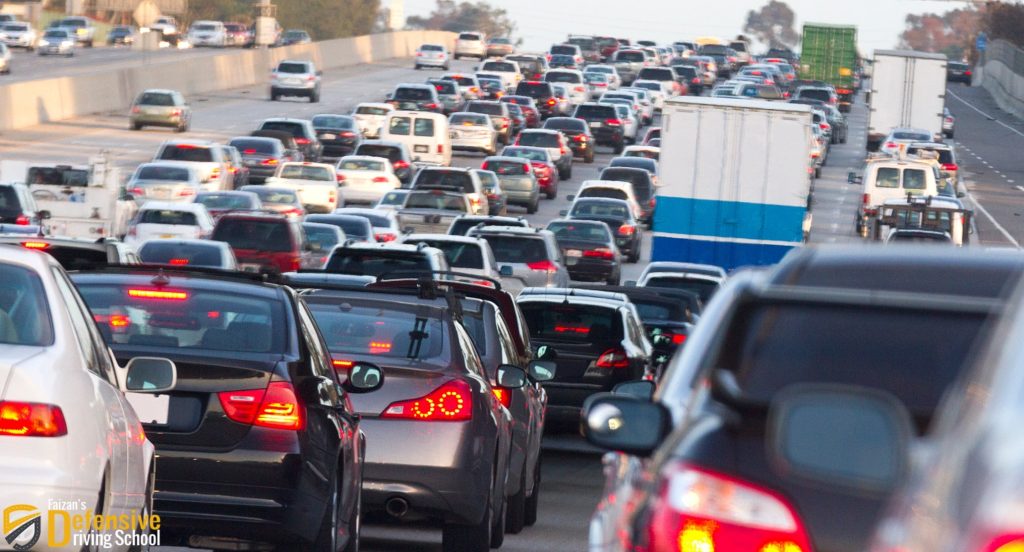
Heavy traffic requires patience, awareness, and defensive driving skills. Whether you’re driving in urban areas or on highways, staying alert is crucial.
Traffic Challenges and Tips:
- Intersections: These are high-risk areas due to vehicles moving in multiple directions. Always scan the intersection for potential hazards, even if you have the right of way.
- Merging Lanes: Use the entire length of merging lanes to adjust to highway speeds and check your blind spots before joining the flow of traffic.
- Rear-End Collisions: These are among the most common accidents. To avoid them:
- Maintain a safe following distance.
- Avoid sudden stops.
- Flash your brake lights to alert drivers behind you when stopping suddenly.
5. Vehicle Conditions: Maintaining Your Driving Machine

Your vehicle’s condition plays a pivotal role in your safety. Proper maintenance ensures that your car responds effectively to your inputs, even in challenging situations.
Key Areas to Monitor:
- Tires: Ensure proper inflation and tread depth to maintain traction on all surfaces.
- Lights: Regularly check that all lights are functioning correctly, including brake lights, indicators, and headlights.
- Brakes: Faulty brakes can lead to catastrophic accidents. Regular inspections can prevent issues from escalating.
- Windshield Wipers: Effective wipers are essential for visibility during rain or snow. Replace them when they show signs of wear.
6. Driver conditions: The most important of the six basic driving conditions: A Comprehensive Guide

Driver conditions: The most important of the six basic driving conditions: A Comprehensive Guide
Ultimately, the driver’s skills, physical condition, and mental state are the most critical elements of safe driving.
How to Be a Responsible Driver:
- Stay Focused: Avoid distractions like mobile phones, eating, or adjusting controls while driving. Keep your attention on the road.
- Combat Fatigue: Driving while tired impairs reaction times and decision-making. Take regular breaks during long trips, and avoid driving late at night if possible.
- Be Sober: Never drive under the influence of alcohol or drugs, as they significantly impair judgment and reaction times.
- Practice Defensive Driving: Anticipate potential hazards and always have a plan to avoid them. This includes watching for aggressive drivers and maintaining a safe distance from them.
Conclusion on Six Basic Driving Conditions: A Comprehensive Guide
Driving is a dynamic activity influenced by numerous conditions that demand constant attention and adaptability. By understanding and responding to the six basic driving conditions: A Comprehensive Guide—light, weather, road, traffic, vehicle, and driver—you can significantly reduce the risks associated with driving. Safety on the road starts with preparation, awareness, and a commitment to responsible driving. Always remember: it’s better to arrive late than not at all.