
Distracted Driving in Saskatchewan: Rules, Risks, and Responsibility
Driving safely takes more than steering—your attention, your judgement, your full engagement matter. Yet distractions are everywhere behind the wheel. In Saskatchewan, distracted driving isn’t just risky—it’s illegal, and the penalties are steep.
What Counts as Distraction
The practice of driving a motor vehicle while engaged in another activity.
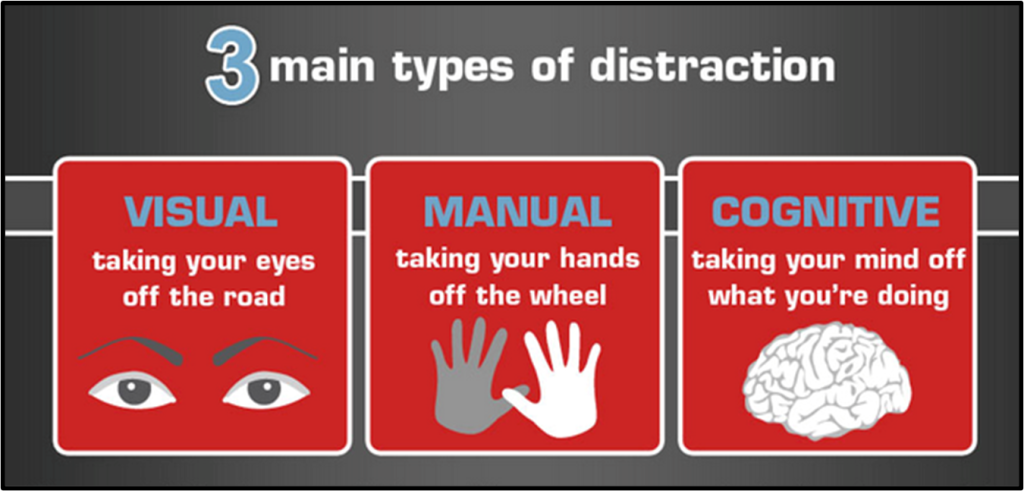
Distraction while driving means anything that takes your eyes, hands, or mind off the task of driving. Some obvious examples:
- Using a hand-held cellphone (texting, calling, browsing)
- Adjusting radio, climate controls, and navigation while moving
- Eating or drinking
- Grooming (like applying makeup, combing hair)
- Reaching for items, interacting with passengers, kids or pets
- Using mobile devices for non-voice purposes: social media, video, etc.
Even less obvious distractions, like being lost in thought or emotionally upset, can degrade your driving performance.
Legal Framework in Saskatchewan
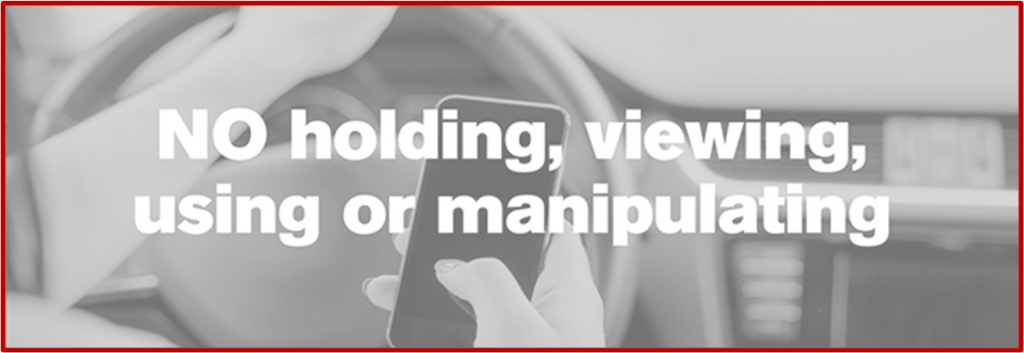
Saskatchewan has clear rules aimed at reducing distracted driving. Key points:
- Hand-held phone use is illegal while driving. You may not hold, view, use or manipulate handheld electronic communication devices while driving on a highway.
- Hands-free use is allowed only for experienced drivers (i.e. those not in the Graduated Driver Licensing (GDL) program), provided certain conditions are met: voice activation or one-touch use, can be mounted or clipped (e.g. dashboard, visor, cradle) etc.
- Drivers in the GDL program are more restricted: no cellphone use of any kind while driving.
Penalties and Consequences
Breaking the distracted driving rules in Saskatchewan carries real consequences:
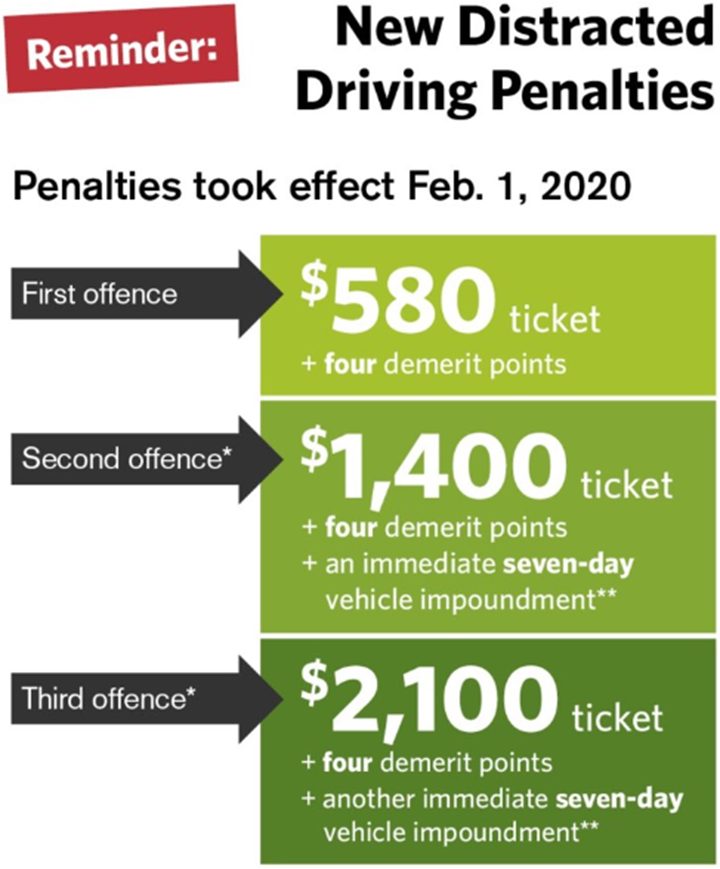
- First offence: $580 ticket + 4 demerit points.
- If convicted a second time within a 12-month period: $1,400, 4 demerit points, plus a 7-day vehicle seizure.
- Third offence (within a year of the first): $2,100, again 4 demerits, plus another 7-day vehicle impoundment.
Also, there’s the offence of driving without due care or attention—if you do something that distracts you enough that you’re driving unsafely (swerving, reacting too slowly, etc.), you can be ticketed under that law.
The Stakes: Data & Risks
Some statistics to show just how serious distracted driving is in Saskatchewan:
- Over recent years there have been, on average, about 3,480 collisions per year caused by distracted driving. These resulted in 754 injuries and 15 deaths annually, according to SGI
- Another source shows averages of 780 injuries and 21 deaths per year from crashes involving distracted drivers
- Distracted driving contributes to around 21% of all collisions in the province, according to the RBDB Safety team.
These are more than numbers—they represent lives changed or lost, costs to victims, families, roads, services, insurance etc.
Kailynn’s photo is featured in the ad, as is Sandra’s voice, saying: “We all dream about our future. It takes only a moment for those dreams to shatter. My daughter’s dreams are over. She lost her life using her phone while driving.”
What Saskatchewan Drivers Need to Understand
Besides the laws and penalties, there are a few things many people don’t realize:
- Hands-free isn’t total freedom: Yes, voice commands or devices mounted properly are allowed—but only for experienced drivers. Also, even with hands-free, your cognitive load (your mind’s workload) can still be high.
- “Not moving” ≠ legal: Being stopped at a red light or idling doesn’t always protect you if you’re using/manipulating a handheld device. The rule often applies whenever you’re in control of the vehicle.
- Other distractions matter too: Things like eating, looking around, adjusting controls, dealing with kids, pets are real risk factors—even if they aren’t always explicitly named in cellphone laws. If they reduce your ability to drive safely, they can lead to charges (e.g. “due care and attention”).
How to Drive Distraction-Free: Tips for Safe Practice
Here are strategies to reduce distractions and drive more safely:
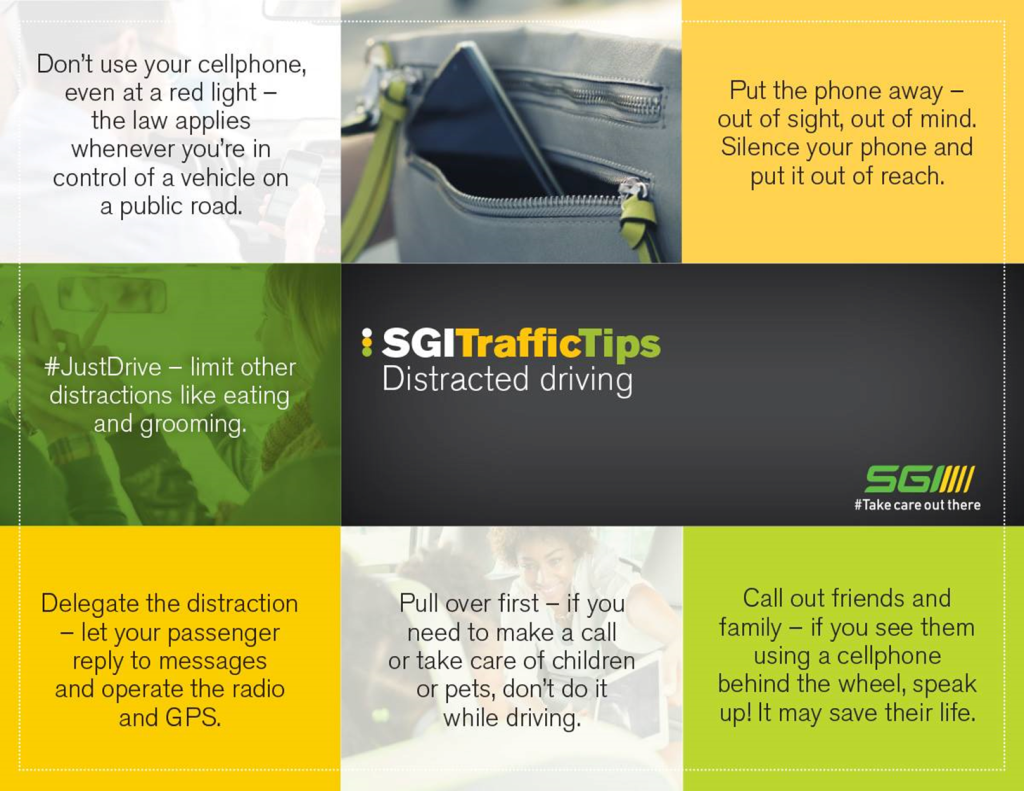
| Pre-Drive Preparation | In-Drive Habits | Mindset & Environment |
| Set GPS / route before starting | Put the phone away/out of reach; if needed, use hands-free correctly | Allow plenty of time—being rushed increases temptation for quick distractions |
| Pick your music or podcast ahead of time | If you must interact with a device, pull over when safe | Keep conversations with passengers calm; avoid emotional or intense topics while driving |
| Secure loose items, fasten seat belts, arrange kids/pets ahead of travel | Use voice activation (experienced drivers only) | Be aware of fatigue; don’t drive when tired or under emotional stress |
| Check vehicle settings (climate, mirrors) before drive | Avoid grooming, eating, drinking while vehicle is in motion | Commit to a “no device use” policy when driving; set the standard for others (family, peers) |
What Can We Do as a Community
- Education and awareness: More public campaigns, driver training, school programs can help people understand not just “the law” but why it matters.
- Enforcement: Visible enforcement (police, unmarked cars etc.) helps reinforce behaviour. Saskatchewan has regularly done spot-checks, especially on cellphone use.
- Technology solutions: Automakers and phone makers increasingly provide “do not disturb while driving” modes, dashboard clips, voice-command tech. Use them.
- Social norms: Passengers speaking up, families agreeing not to permit phone usage while driving—peer pressure can help change habits.
Conclusion
Driving distraction-free isn’t just about avoiding tickets—it’s about keeping ourselves, our passengers, and everyone else on the road safe. Saskatchewan has strong laws in place, but law alone can’t do it. Respecting the rules, being aware of the risks, and making good choices means fewer crashes, fewer tragedies, fewer lifelong regrets.